
2026 is the year to go all-in on PR.
Yes, of course, someone like me – a PR consultant who has seen the power of public relations work for her clients – would say that.
But let me tell you why I say this now.
Public relations has always played a vital role in getting a company’s name out there and helping to build its reputation. Even so, some businesses view it as a nice-to-have rather than a must-have.
On one level, I get it. Marketers are pulled in many directions. They also often have limited budgets. The ground can shift under their feet very quickly, causing them to chase the shiny object du jour.
But when funds are allocated to an ongoing, consistent, proactive PR program, it serves as a pillar of a company’s marketing infrastructure. Public relations touches every component of an effective marketing plan. It ties into social media, content creation, and even paid initiatives.
These things have always been true. If that’s not enough to make the case for PR, there’s now an even more compelling reason for companies to double down on it.
AI-Generated Deepfakes and Misinformation
When I was asked for my PR advice for 2026, I talked about how companies need to prepare for AI-generated deepfakes and misinformation.
AI-generated deepfakes in the form of video – the release of Sora by OpenAI helped drive this – and even audio have led to businesses losing millions. One example: Fraudsters used an AI deepfake to steal $25 million from UK engineering firm Arup. (source: World Economic Forum)
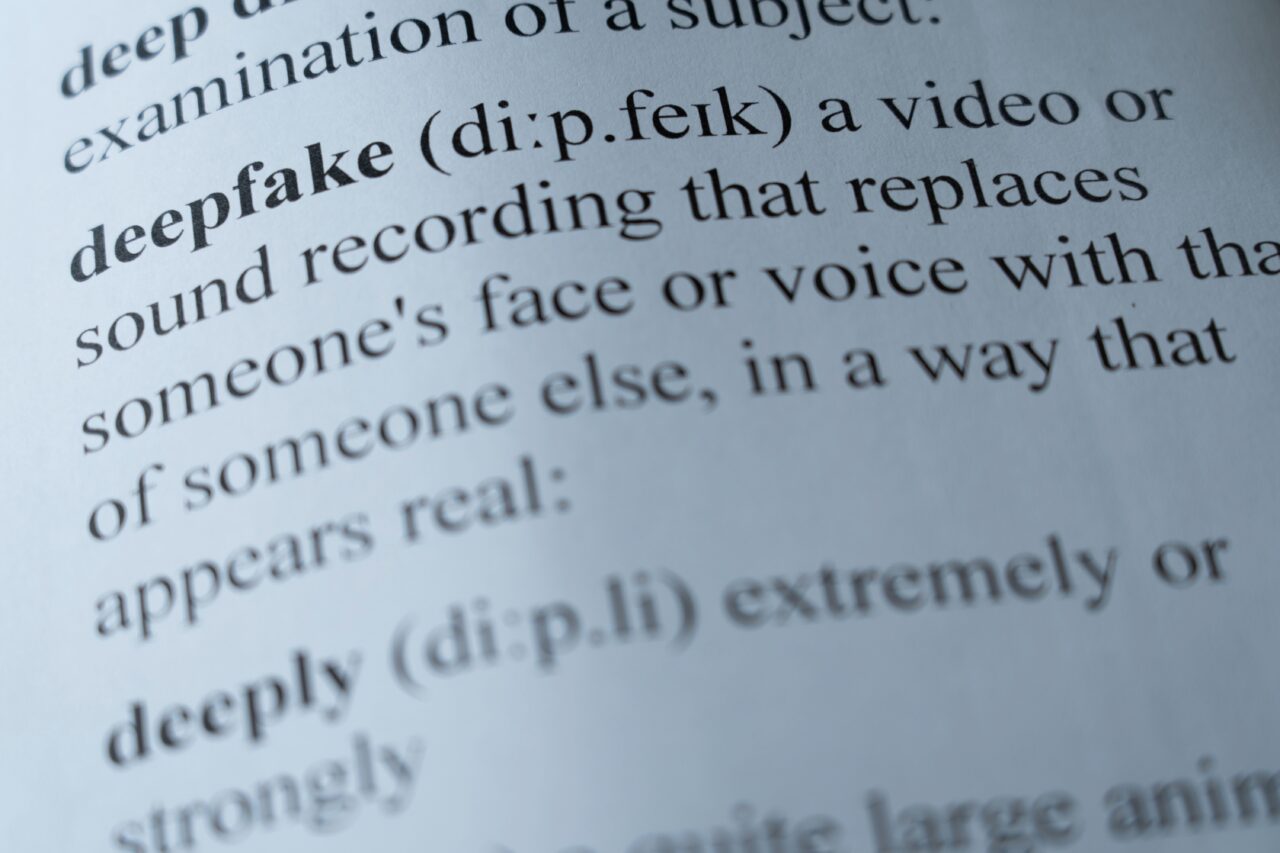
Before we go further, what exactly is a deepfake? A deepfake is “an image or recording that has been convincingly altered and manipulated to misrepresent someone as doing or saying something that was not actually done or said,” per Merriam-Webster. It’s basically someone pretending to be someone they’re not, with the help of technology.
Up to 8 million deepfakes were expected to be shared online by the end of 2025 – there were 500,000 in 2023 (source: Citigroup).
With the spread of deepfakes and misinformation, audiences will rightfully be ever more skeptical when viewing or listening to content. Is that really the CEO of that company?
“Individual fakes matter, but the real damage is a fog of doubt settling over everything we see,” said Sam Gregory, an expert on deepfakes and executive director at WITNESS, in this article in the Los Angeles Times.
“The biggest risk with Sora is that it makes plausible deniability impossible to overcome, and that it erodes confidence in our ability to discern authentic from synthetic,” Gregory said.
Further, perception IS reality. Companies that are the target of these attacks can’t afford to sit on their hands while misinformation spreads.
Fake News Travels Fast
It didn’t take long for 2026 to yield an example of how AI-generated misinformation can run wild – and how brands need to stay ready.
In early January, a fake whistleblower posted a fabricated story about food delivery services. He shared a phony employee badge to support his claims. The post went viral.
Journalist Casey Newton of Platformer determined that the post was a hoax. Eventually, it was taken down, but not before garnering 87,000 upvotes, generating roughly 5,000 comments on Reddit, and amassing more than 36 million views on X.
Even though they weren’t called out in the post, many assumed the poster worked for one of the major food delivery apps. DoorDash and UberEats didn’t waste time responding.
As Elizabeth Jarvis-Shean, chief corporate affairs officer of DoorDash, put it in her LinkedIn post, “The truth didn’t stand in the way of it spreading. It didn’t stop smart people from leaping to wrong conclusions, either. Which is why DoorDash responded forcefully and clearly. No hedging. No equivocation.”
“These fake leaks, made more believable with AI, create huge reputational risks for companies and brands, especially as newsrooms shrink and voices on social media portray themselves as trusted sources of information,” said Eleanor Hawkins, covering the story for Axios.
“The rapid spread of the whistleblower’s post illustrated yet another maxim they taught us in J-school: A lie can travel halfway around the world before the truth can get its boots on,” says Newton. “With AI tools at their fingertips, hoaxsters can make those lies travel even faster.”
Is a Traditional Fact-Based Playbook Sufficient to Fight Fake News?
While simply pointing out the truth used to be the advisable approach to combating misinformation, an article in Harvard Business Review argues that if people think others believe the fake news is true, they’re more likely to buy into it – even when they know it’s false.
“Overall, our findings tell us that it is not enough to flag fake news as being false: People assume that others still believe the fake news—and this perception influences how they themselves think and act,” the article says.
“To effectively combat disinformation, organizations must spread the perception that fake news lacks widespread credibility not only because it is demonstrably false but also because others don’t believe it. That means crafting a multichannel strategy that addresses the falsehoods while also signaling that experts, peers, and other key stakeholders recognize the disinformation.”
For example, one way social media can be essential during a crisis is in reaching out to your followers and influencers who can provide support and help you turn the tide of negative sentiment back in your favor.
If you’ve built solid relationships with influencers and brand loyalists, they may come to your defense – many times without you even having to ask. This is why it’s so important to build that community before you need it.
“If you have loyal followers and fans, they’ll speak up on your behalf,” says Martin Waxman, President, Martin Waxman Communications. “If a brand tries to go on the defensive, it can sometimes have the opposite effect, but if a brand’s community defends it, it’s much more credible.”
Crisis Planning Is No Longer Optional
While not every business is the size of DoorDash, even smaller companies can benefit from staying out in front of their audiences to build trust.
Further, EVERY business, big or small, whether it’s a startup or a 100-year-old company, should have a crisis communications plan in place.
Once you have a plan, be sure key players understand their roles clearly, so that in the event of an unexpected crisis, they can spring into action without wasting a minute.
“It’s important to have rehearsed a response, not to a particular incident, but to a general set of incidents that might occur, so everyone knows what their role is,” as Rob Grieg, chief information officer of Arup, said.
The plan should be a living document, says crisis communications expert Shawna Bruce.
“A crisis comms plan should be constantly reviewed and updated,” Bruce advises. “Host a lunch and learn session when something happens in the news to another like-minded company or a competitor of yours. Sit down with the comms team and talk through the scenario. How would we respond? Take a look at your plan and walk through it.”
To add to Jarvis-Shean’s point above, companies no longer have the luxury of time to determine how they’ll respond if they’re the target of a misinformation campaign. Being ready – reputationally and with a crisis communications plan – is table stakes in today’s landscape where AI accelerates the spread of misinformation.
“Misinformation is nothing new,” says Jarvis-Shean. “What’s changed is the volume and velocity at which it’s created *and* spreads. You can’t wait for the perfect response or perfect moment. When there’s a fire, you don’t stand around debating the cause. You grab a hose. Don’t let perfect be the enemy of the good when lies are spreading in real-time.”
The Fog of Doubt – and Doubling Down on PR
PR brings MANY benefits to companies that invest in it. Engaging in a consistent PR effort helps position your brand as the authority in its space. It enables you to differentiate your brand, even in a crowded market.
Now, with the added threat of AI-generated hoaxes and the spread of misinformation to create doubt, there’s no denying the need to put public relations at the center of your marketing program to boost your reputation – and build trust.
Need help proactively preparing your business for a crisis? Build your reputation – and a crisis plan – before you need it.
Learn more about my freelance PR consulting services here. Book a no-obligation call to talk about your needs here. Buy my book here.
About the author: Michelle Garrett is a B2B PR consultant, media relations consultant, and author of B2B PR That Gets Results, an Amazon Best Seller. She helps companies, especially those in manufacturing and technology, create content, earn media coverage, and position themselves as thought leaders in their industry. Michelle’s articles have been featured by Entrepreneur, Content Marketing Institute, Muck Rack, and Ragan’s PR Daily, among others. She’s a frequent speaker on public relations and content. Michelle has been repeatedly ranked among the top ten most influential PR professionals.
100% of this blog post was written by me, the human.
Featured image is courtesy of Adobe Express.

